
DAM taxonomies & controlled vocabularies: A practical guide

Efficient content orchestration depends on consistent and correct terminology. Having a controlled vocabulary can make the difference between chaos and control and is often a result of well-structured metadata taxonomies.
What are metadata taxonomies?
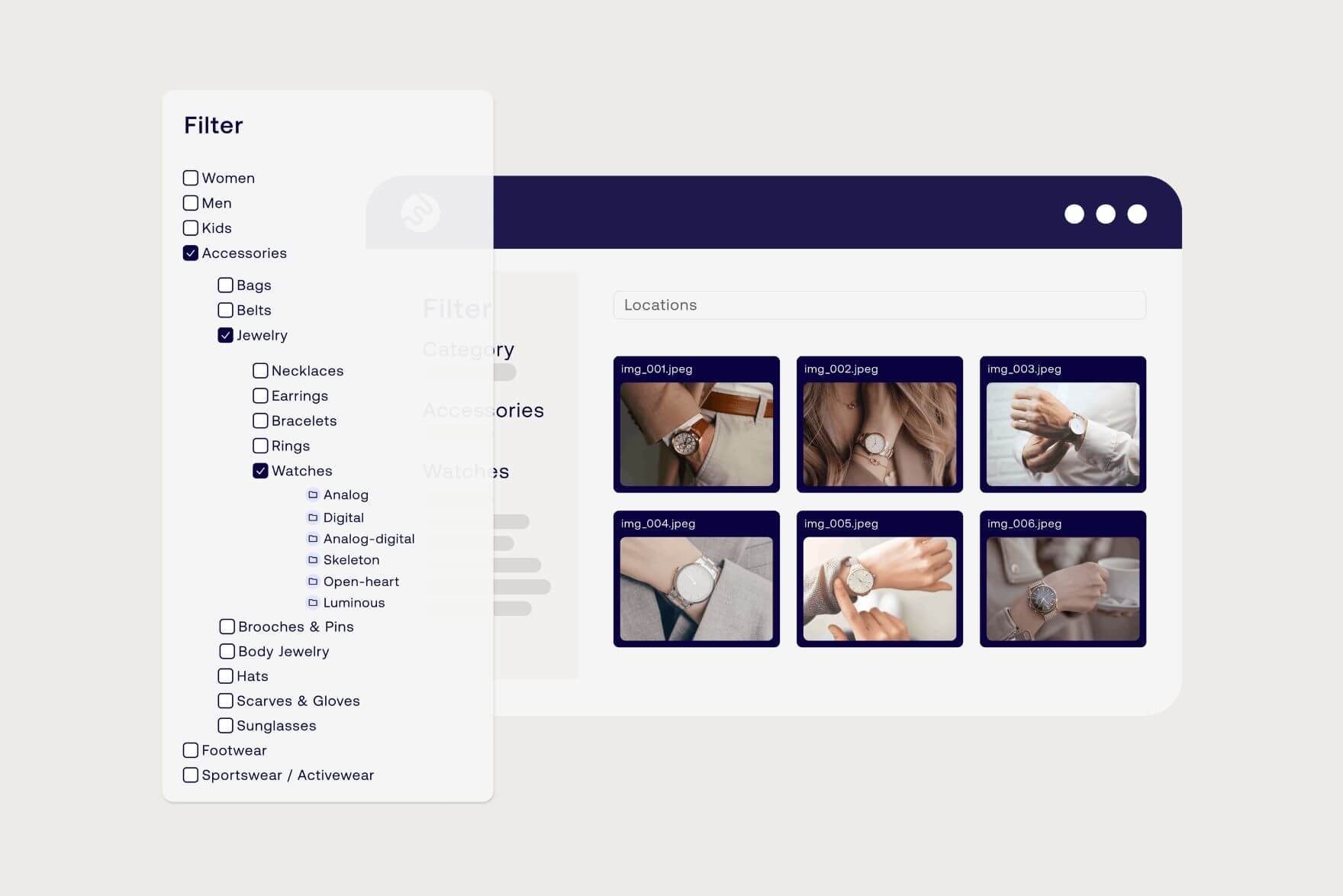
Metadata taxonomies are structured classification systems used to organize and categorize digital content items within a Digital Asset Management (DAM) system. By establishing a hierarchical framework of related terms and concepts, taxonomies enable organizations to efficiently manage, search for, and retrieve the correct files quickly.
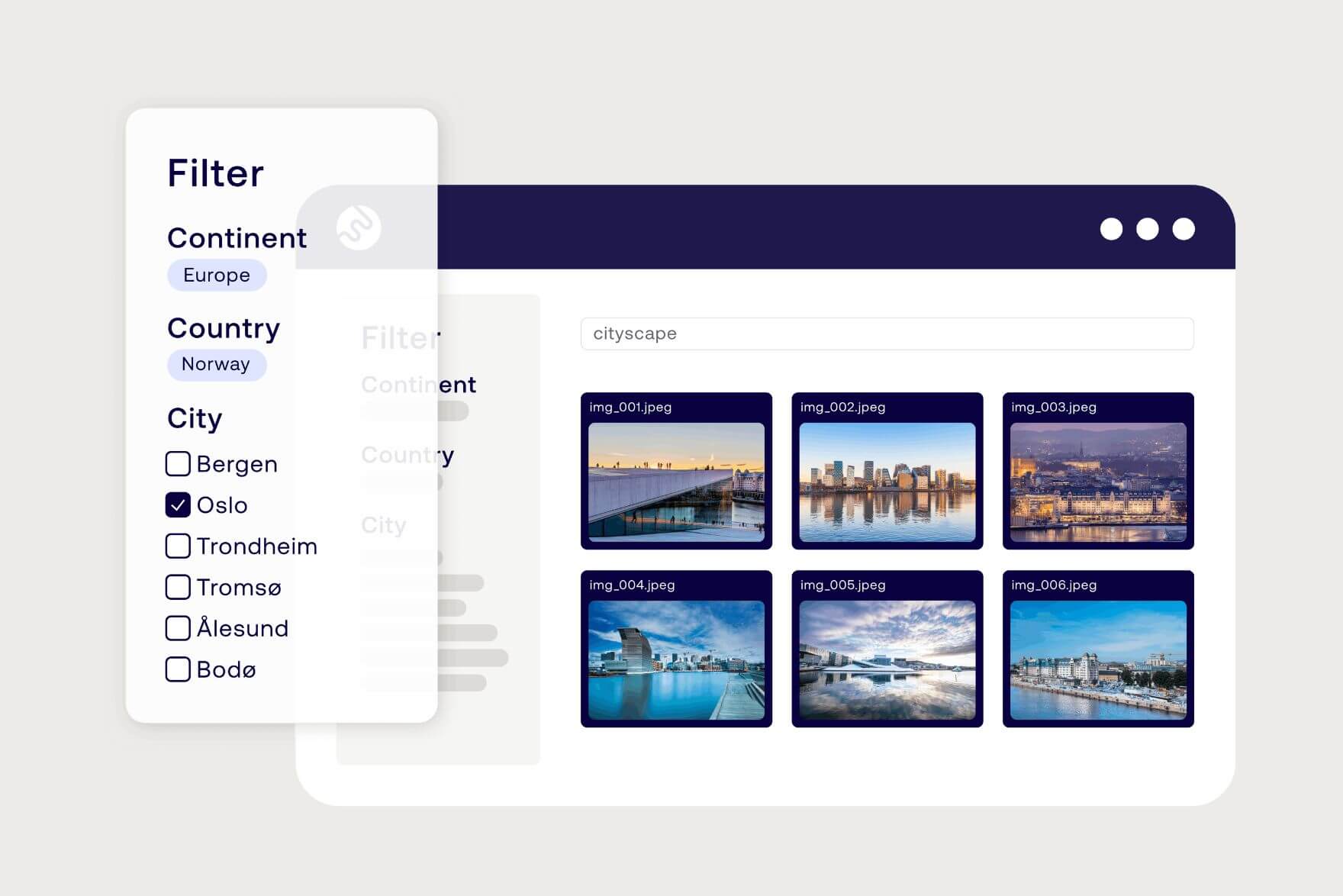
When structuring content with metadata taxonomies, system users can easily filter and narrow down their searches. For example, one may have a taxonomy for depicted locations, with continents at the top level and districts at the bottom level, and another one for time, where decades at the top level and months at the bottom level. This allows users to make highly specific searches within just a couple of clicks, while still enabling generic searches if one doesn’t have all the details.
Such structures don’t just improve discoverability; they also ensure consistency in how information is described across various departments and teams. Well-designed metadata taxonomies are essential for enhancing the value of digital assets, supporting compliance requirements, and facilitating effective collaboration in both local and international contexts.
Read more: What is metadata management
Read more: Sulzer’s DAM success - Goodbye to outdated marketing assets
What does it mean to have a controlled vocabulary?
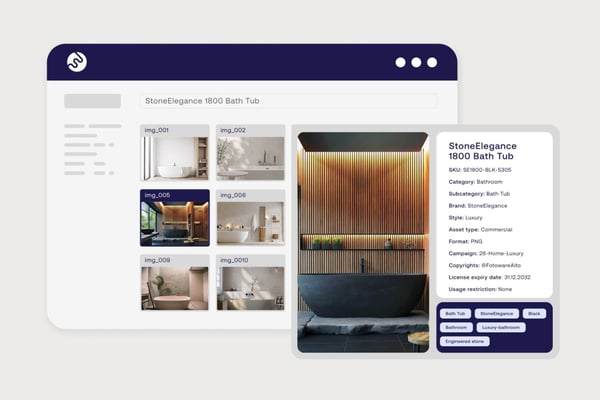
A controlled vocabulary in the context of Digital Asset Management refers to a predefined and authorized list of terms used to describe and categorize digital assets. Unlike free-text tagging, controlled vocabularies ensure that everyone uses the same terms, spelled correctly, in the same formats when entering and filtering metadata, which reduces ambiguity and inconsistency. This approach standardizes the language across the organization, making it easier to search for, find, and administer the content items.
Without controlled vocabularies, organizations risk their DAM becoming unstructured, cluttered, and time-consuming to use, effectively defeating the initial purpose of the system.
An example could be a real estate agency, managing massive amounts of imagery related to home and living. It may not be clear to an employee whether they should use the term ‘foyer’, ‘hallway’, ‘corridor’, ‘vestibule’ or ‘entrance’, and they may spend an unnecessary amount of time adding all of them, or just adding what seems appropriate in the moment, hoping the chosen terminology matches those of their colleagues.
Read more: Metadata tagging – best practices
Ensuring a controlled vocabulary is not done simply by creating metadata taxonomies. Rather, it’s an ongoing process that entails actively maintaining and enforcing the use of approved terminology within the DAM system. This includes regularly updating the lists to reflect organizational needs, training users on their application, and using the system’s capabilities to restrict metadata entries to the accepted terms.
As a result, a controlled vocabulary helps maintain data quality, support compliance, and enhance asset discoverability across teams and departments.
Read more: The Ultimate Guide to Master Data Management
How to achieve a controlled vocabulary for your metadata in 3 steps
Step 1. Documenting the vocabulary
In order to achieve a controlled vocabulary, organizations first need to establish and document the vocabulary itself. If there is no documentation for the terminology used in describing various objects, concepts, or situations, there’s no chance of ensuring any form of control. Such documentation needs to include the terms themselves, including their definitions and place in the hierarchical structures, but also offer clear guidelines for language, spelling, and formats.
 For example, the country of Sweden may also be described as “Sverige” or “SE” depending on who’s writing the description. For such situations, you need the documentation to clearly state what’s the correct way of referencing the term.
Step 2. Implement the vocabulary throughout the content system
Once the documentation is in order, the organization needs to ensure that it’s reflected throughout the content ecosystem, which includes the DAM. This can be done using metadata taxonomies and locking these in place to prevent end-users from adding their own interpretations.
It’s crucial here to keep the entire tech-stack in mind, as certain data values may be synchronized with other software. For such situations, it’s essential that these integrated systems also use the same vocabulary as the DAM.
Step 3. Testing and iterating the vocabulary
Lastly follows a period of vigorous testing and iterations, as many vocabularies may have certain faults or inconsistencies when first developed. One can limit the number of revisions by running the documentation through a committee representing the various types of end-users.
However, there may always be areas where the initial terminology is lacking or prone to ambiguity – resulting in a need for adjustments after the system is launched.
Bonus: Use automation features to streamline correct metadata tagging
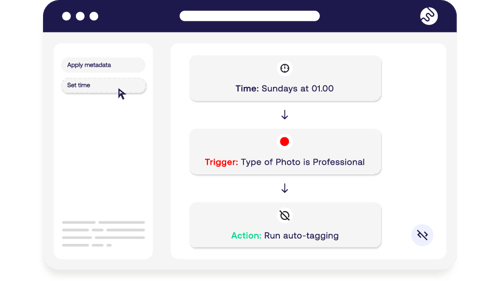 Many DAM solutions also offer workflow capabilities allowing for automatic metadata population. This reduces not only time spent on manual tagging, but also human errors such as spelling mistakes or inconsistent terminology, reinforcing the documented vocabulary.
Read more: How to build an AI-powered content taxonomy
5 essential DAM workflows
Best practices for taxonomies and controlled vocabularies in DAM
Taxonomies are key to ensuring a controlled vocabulary, as they decrease the amount of free-text data entries and offer hierarchical information for every data value. As a best practice, organizations should aim to implement taxonomies where possible, locking them where it makes sense. Some best practices for succeeding with metadata taxonomies include:
Keep your taxonomy topical:
Don’t think one taxonomy should cover everything about an asset.
Instead, stick to one topic for each one. For example, you may have one for the assets’ lifecycle state and another one for the assets’ license type. The two may be related, but are still separate from each other and should, therefore, be treated as such.
Avoid ambiguity and double meanings:
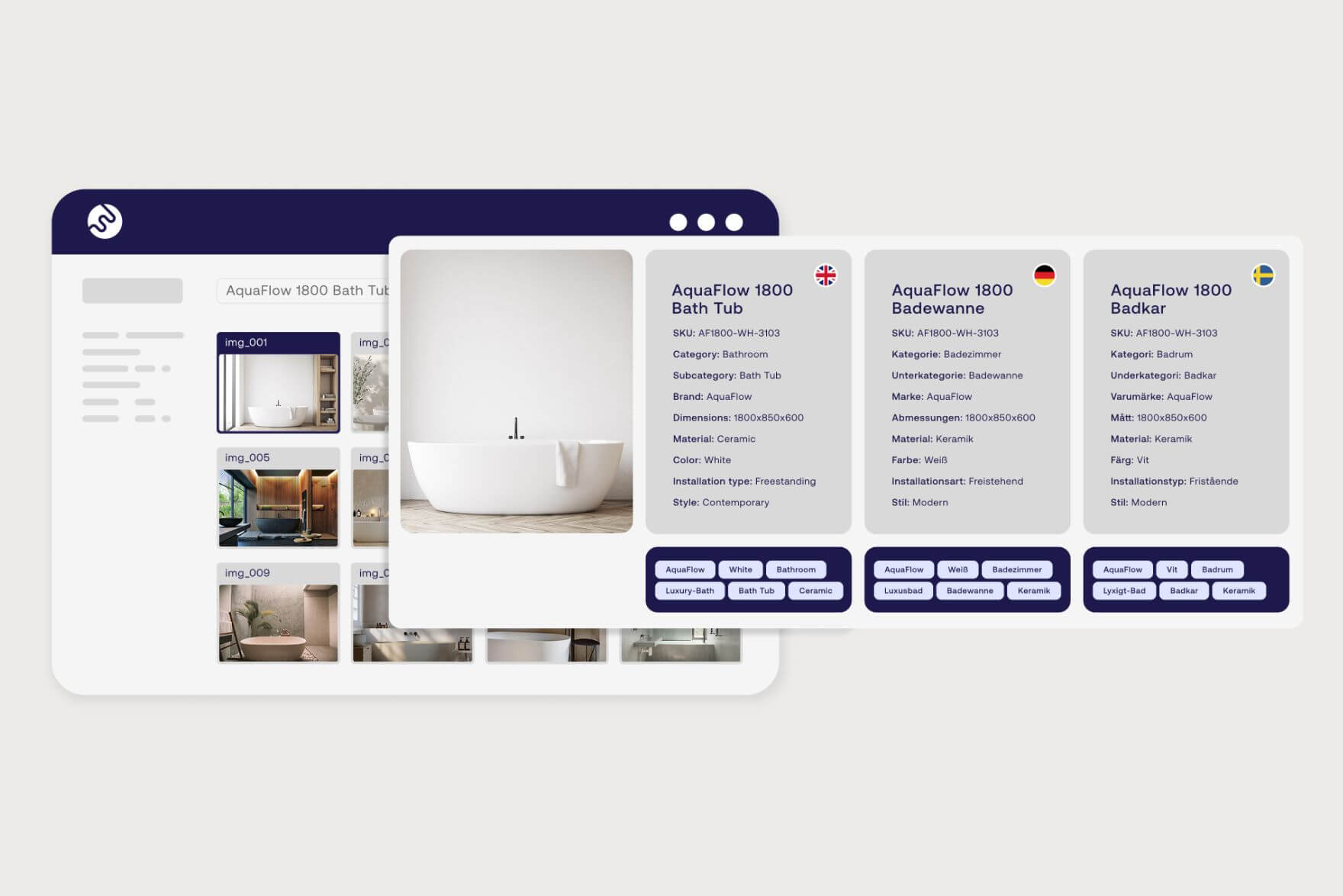
Certain terms may refer to multiple concepts, especially in multi-language spaces.
However, this should be avoided in the DAM system. For instance, if one has decided to use seasons as a way of describing campaigns, one should avoid using the same words for describing specific times within the year.
Ensure consistency across systems:
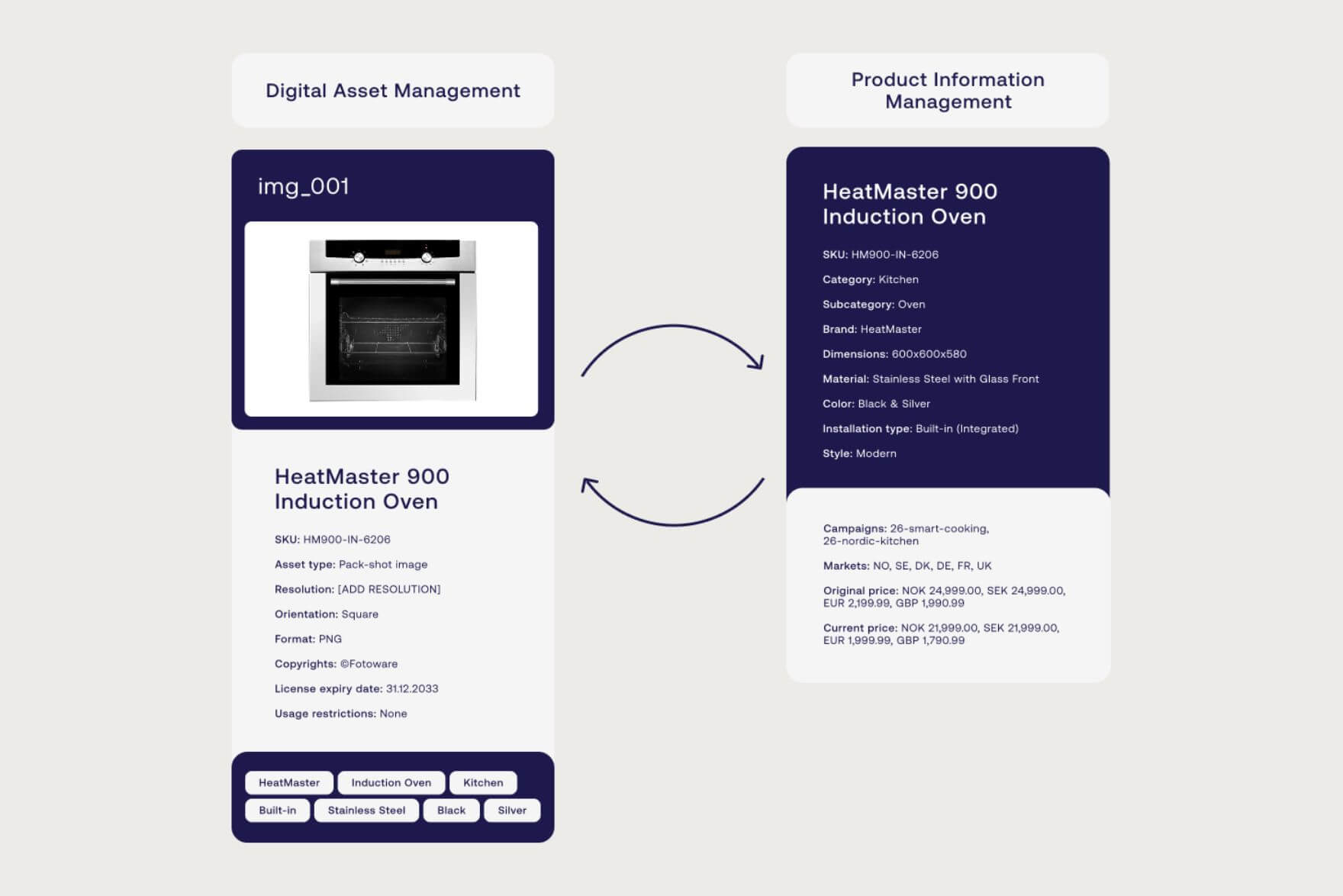
The DAM’s vocabulary should be identical to that of other systems used in the organization, to prevent misunderstandings and empower integration capabilities. If adjusting the vocabulary in your DAM, make sure the same adjustments are reflected throughout the company and its tech-stack.
Automate what you can:
Human errors are likely to cause irregularities amongst your data. Therefore, you should try to avoid putting too much pressure on system users by automating as much of the metadata tagging as possible. While AI-driven auto-tagging can help with this, the most noticeable results come when you combine it with tailored workflows.
Revisit and reiterate the taxonomy regularly:
Organizational needs change and so does natural language.
Therefore, it’s often necessary to revisit your official vocabulary every so often to make necessary adjustments. This doesn’t have to be a complicated process but should allow for changes to be made where the data values are inconsistent with everyday lingo or the objects they represent.


On this page