Digital Asset Management trends 2026: What you need to know now

Digital Asset Management (DAM) has quietly moved from a supporting role to becoming a critical part of how organizations operate. Once primarily used by marketing and communications teams, DAM is now connecting content workflows, governance frameworks, and digital transformation strategies across organizations.
In 2026, DAM has long grown out of storing and retrieving files. It plays a central role in how organizations ensure high-volume content organization and distribution, scale responsibly, meet regulatory requirements, manage the influx of AI-generated content items and their authenticity, and deliver consistent customer experiences across multiple channels.
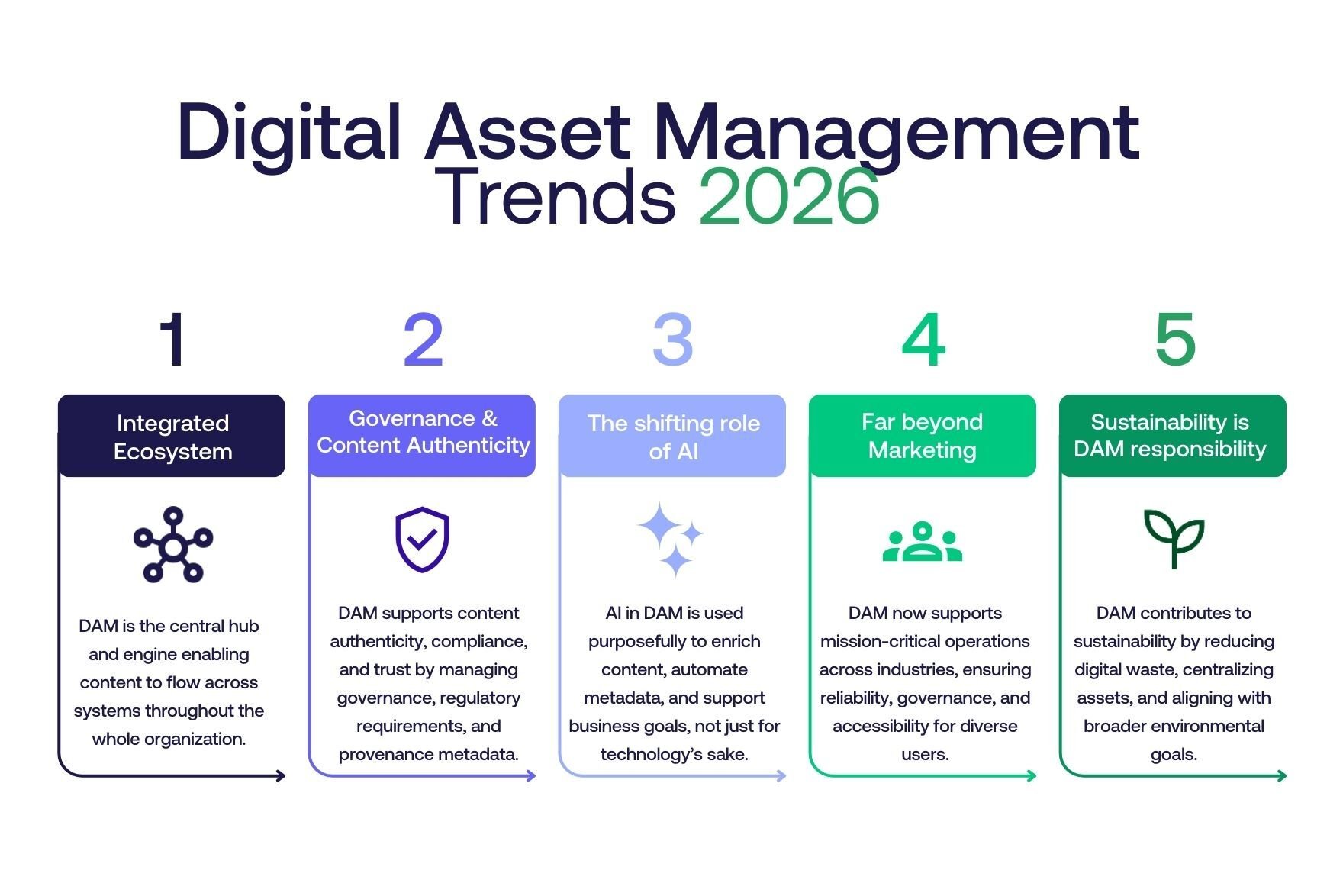
These are the key Digital Asset Management trends shaping 2026:
DAM trend #1: DAM as the core of an integrated content ecosystem
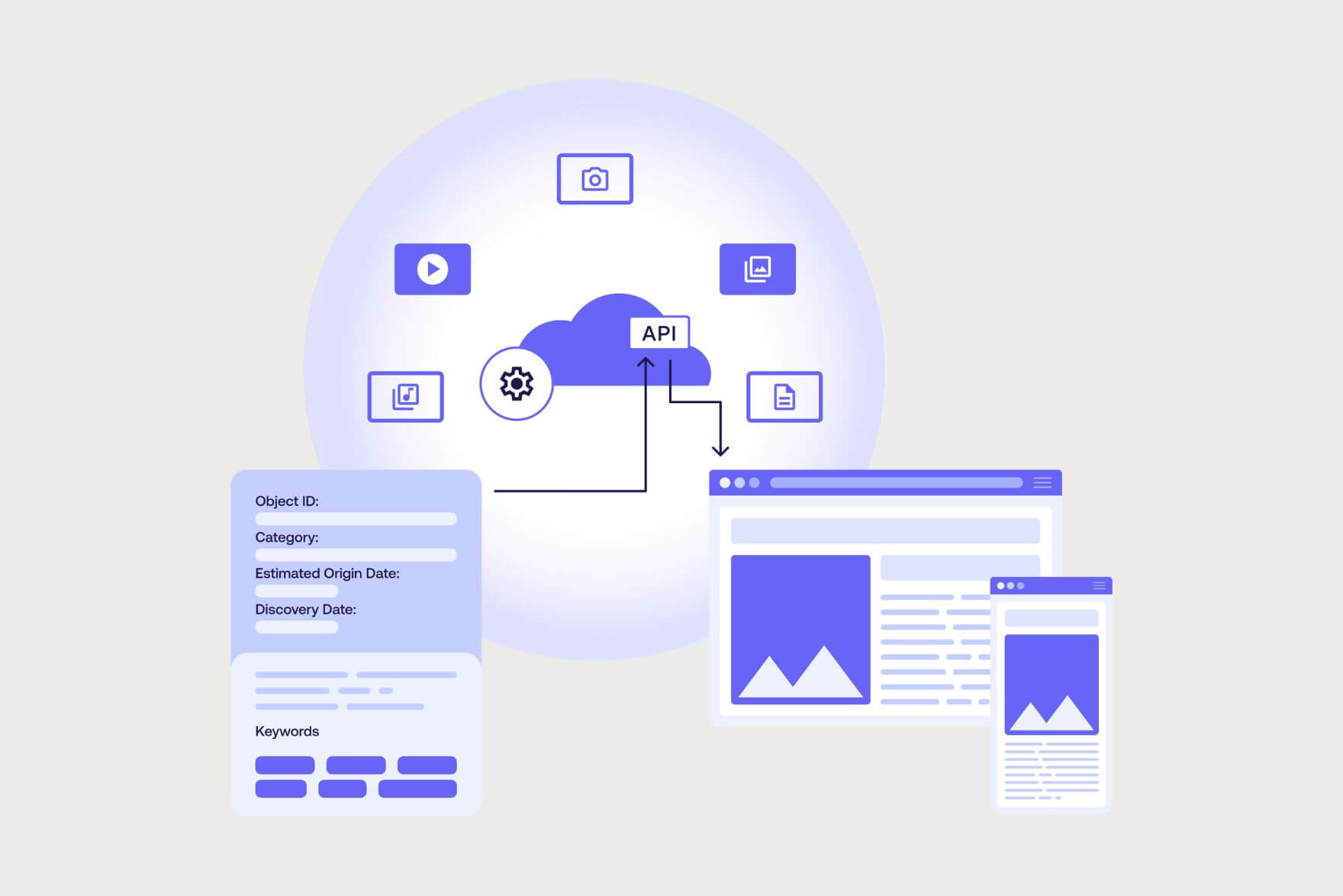
One of the most significant shifts in DAM is its transition from a standalone system to a core component of a broader digital ecosystem. Organizations are moving away from siloed tools in favor of mixing and matching their own composite architectures, where systems are connected through APIs and designed to work together, not individually.
In practice, this means DAM platforms are increasingly integrated with project management tools, Content Management Systems (CMS), Product Information Systems (PIMs), Collection Management Systems, or other platforms. Assets are no longer managed in isolation but are distinct parts of workflows and business operations.
Integrating key systems enables more efficient collaboration across teams. Creative assets can move seamlessly from production to approval to distribution without manual handoffs or duplicated work.
For organizations operating across departments, regions, and channels, connected workflows are becoming essential to maintain speed and consistency at scale.

DAM trend #2: Governance, Compliance, and Content Authenticity in the spotlight
As digital content volumes grow and regulatory requirements increase, governance is becoming one of the most critical responsibilities of DAM. However, compliance is not limited to legal requirements but directly impacts brand trust and customer experience.
Organizations must manage a complex mix of obligations, from the GDPR and industry regulations to emerging rules around digital channels in general. At the same time, the rise of synthetic media and generative AI has intensified the need for verifiable Content Authenticity and watermarking routines. Without clear rules and ownership, more technology can quickly lead to more chaos.
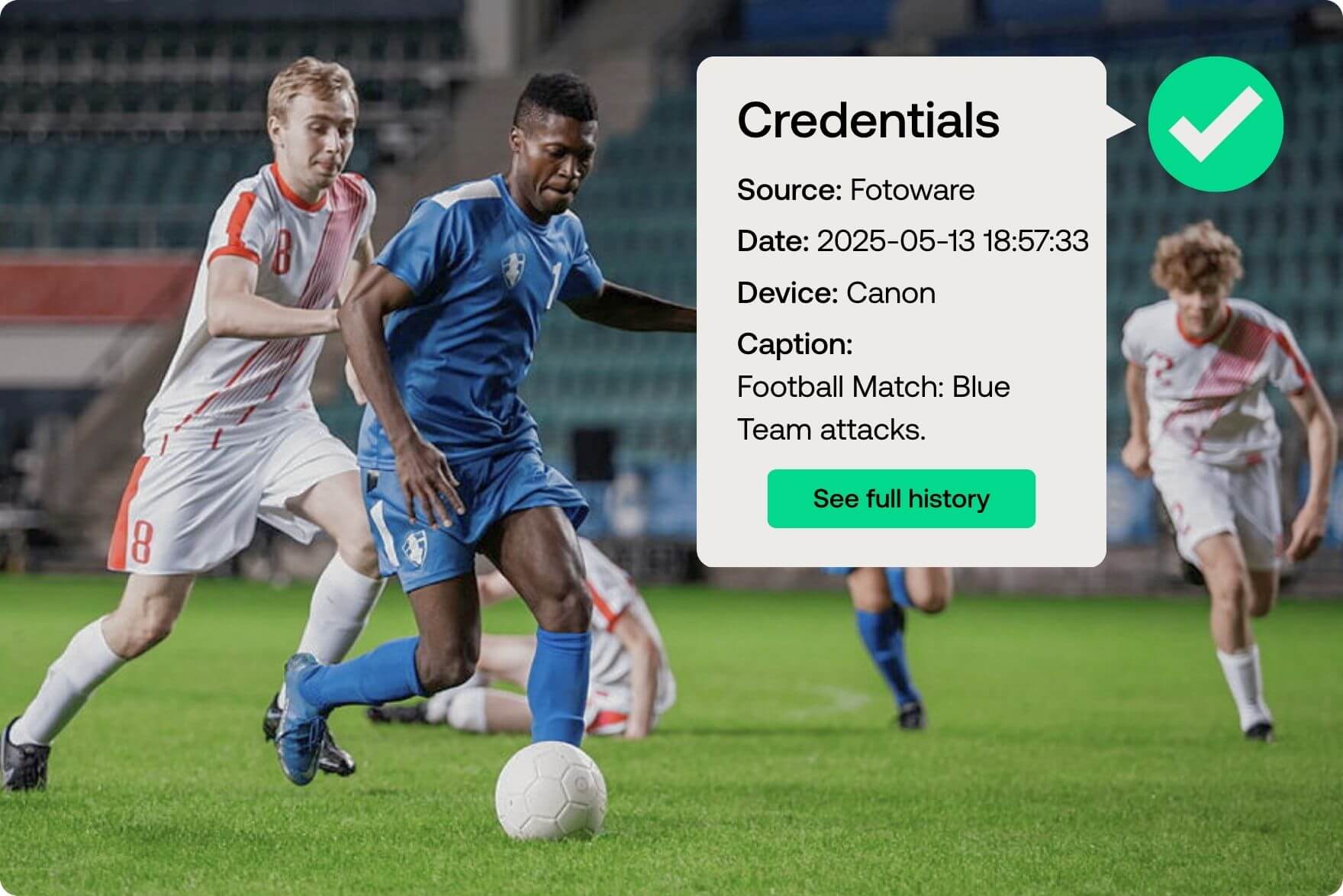
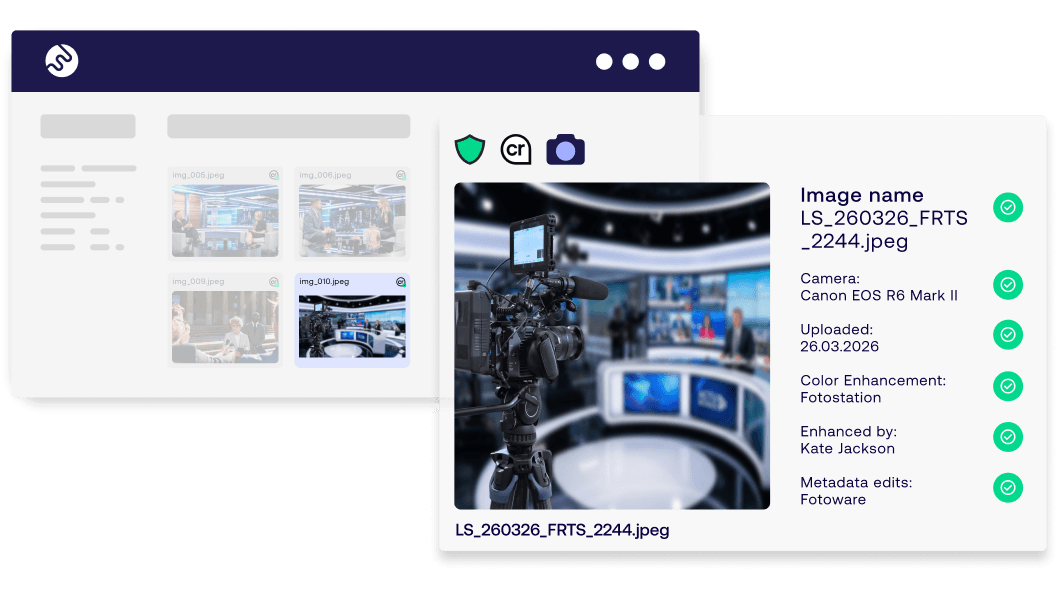
Trust frameworks like the Coalition for Content Provenance and Authenticity (C2PA) are gaining traction as a way to document where content comes from, how it was created, and whether it has been altered. For DAM, this means managing provenance metadata alongside traditional asset information.

— “Organizations such as the C2PA have been discussing Content Authenticity for years, but today technology is finally catching up. DAM vendors need to implement support for tamper-proof provenance metadata to ensure trustworthy content, its authenticity and correct usage rights.”

Strong governance capabilities (e.g. audit trails, version control, access management, and usage rights) help organizations ensure that the content they publish is accurate, compliant, and up to date. When people search for product information, documentation, or visual content, they expect reliability. DAM plays a crucial role in delivering that confidence.
In 2026, governance and compliance are no longer optional DAM features. They are fundamental to maintaining trust in an increasingly complex digital landscape.
DAM trend #3: The shifting role of AI in DAM
Artificial intelligence has moved beyond experimentation in DAM. What was once considered an advanced feature is quickly becoming a baseline expectation.
However, the conversation is shifting from what AI can do to why it is being used. In practice, AI in DAM is not about replacing human creativity or judgment, but about supporting it.
AI-driven tagging and semantic search already help organizations manage growing asset libraries by automatically enriching content with metadata and improving discoverability. This reduces manual effort while making it easier for teams to find and reuse assets, accelerating content discovery and publication.
AI is also playing a growing role in content operations, such as generating multilingual captions, detecting potential copyright issues, and supporting responsible content reuse.
The real value lies not in generic AI agents, but in tools that support the organization’s vocabulary, asset context, and content or data routines.
In 2026, we’re beyond implementing AI for the sake of having AI. The use of Artificial Intelligence should have a clear purpose: support business goals, be grounded in organizational context, and focus on enriching content while identifying risks and inconsistencies early.
DAM trend #4: DAM making a difference far beyond marketing
DAM has evolved far beyond its origins as a photographer tool, and even beyond its use as a marketing tool. Digital assets support nearly every part of the organization, from sales and customer support to training and product documentation. Beyond that, they support industries where marketing is not a (primary) driver at all.
Today, DAM supports a broad range of operational and mission-critical use cases. Museums and cultural institutions rely on DAM to manage digital collections and digital object preservation, and protect intellectual property. Law enforcement agencies use DAM to manage digital evidence in a controlled and auditable way. Healthcare institutions depend on DAM to handle medical photographs and visual documentation that must be accurate, secure, and accessible across systems and teams.
These use cases share common requirements: trust in the content, strict governance, clear provenance, and long-term accessibility. In such contexts, DAM is less about campaign execution and more about reliability and accountability. This expansion has changed how the tech landscape considers DAM.
With this broader role comes greater responsibility in 2026: ensuring consistency, governance, and accessibility for diverse users with different needs. Organizations that treat DAM as shared infrastructure rather than a pure marketing tool will be better positioned to utilize the full value of their DAM system to their advantage.
DAM trend #5: Sustainability becomes a DAM responsibility
According to Gartner, 75% of organizations are expected to have implemented an IT infrastructure sustainability program by 2027. That means that sustainability is no longer confined to physical operations or supply chains but extends to business-critical IT systems. Digital infrastructure, including how assets are stored, processed, and delivered, has a measurable environmental impact.
DAM plays a role in sustainability and in reducing this ecological footprint by acting as a single source of truth. When organizations centralize assets, they reduce duplication, unnecessary storage, and redundant processing. Efficient media management can translate into lower energy use and reduced costs.
ESG considerations also become more important for investors and regulators, making sustainable technology practices an important part of decision-making.
— “In 2026 and the years ahead, sustainable technology strategies will be defined not only by efficiency, but by intent: minimizing unnecessary digital clutter and treating content as a long-term asset rather than a disposable resource.”
Preparing for Digital Asset Management in 2026
The DAM landscape in 2026 is defined by integration, authenticity, sustainability, scaling, and most of all enabling people in their missions. Organizations that succeed will be those that recognize DAM as more than an image bank: a strategic capability, grounded in governance and guided by human judgment.
DAM systems provide structure, transparency, and control. They help organizations connect workflows, manage risk, support responsible AI adoption, and deliver reliable experiences to customers, employees, and the general public alike.
Preparing for these trends requires more than adopting new technology. It requires rethinking the role of digital assets in the organization and recognizing DAM as a foundation for how digital assets are managed and trusted in the years ahead.
Is your organization prepared for generative AI?
This free checklist helps you assess your organization's readiness and take the right steps toward responsible and secure AI adoption for visual content.