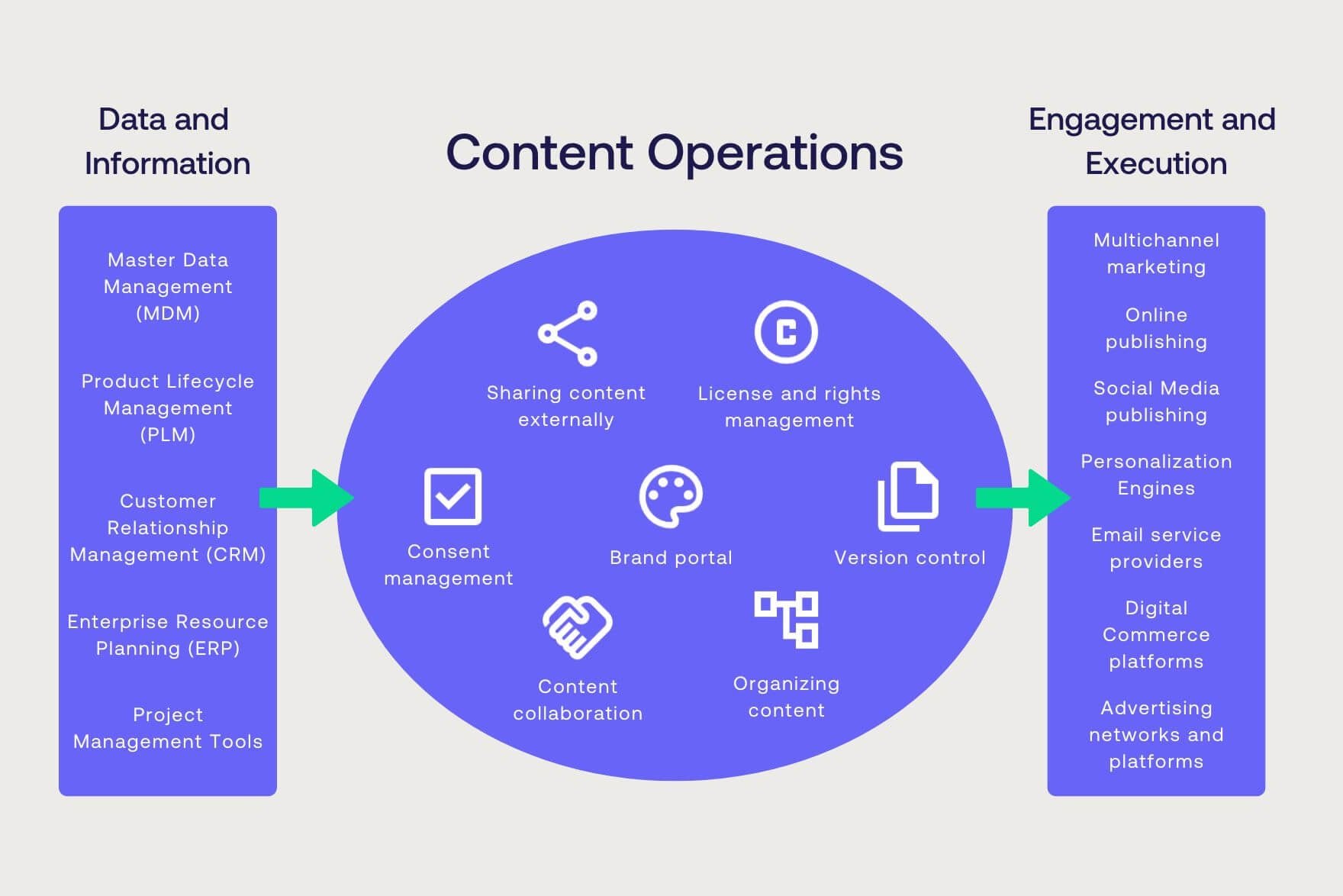
What is content operations, and why does it matter?

Content operations is the combination of people, process, and technology that an organization uses to plan, create, manage, and distribute content at scale. It covers asset storage, metadata, rights, approvals, and publishing. A content operations platform is the technical setup behind it, usually an API-based ecosystem rather than a single tool, with Digital Asset Management as the hub that keeps content findable, governed, and ready to use.
Over the past few years, we have witnessed a drastic increase in digital campaigns and communications. This is a full paradigm shift in how we consume, produce, and distribute content, and content creators, marketers, and businesses have to navigate it. Audiences and customers expect content to be easily available, personalized, and up to date, which raises the bar for digital content operations.
What is content operations?
Content operations, or content ops, is about bringing together people, process, and technology to manage our increasingly complex modern workflows. It is not one piece of software. It is the operating model that decides who creates content, how it is approved, where it lives, and how it reaches each channel.
In order to offer the right content, to the right people, at the right time, modern content teams and content creators can no longer be tied down to single-purpose applications. They need a connected setup for creating content, managing assets, and collaborating across team members and roles.
What is a content operations platform?
A content operations platform (COP) is the technical setup for successfully creating, managing, measuring, and distributing content across relevant channels and devices. Effective COPs work as the foundation for successful content marketing and make sure every piece of content aligns with organizational goals.
They support project management, workflow efficiency, and collaboration across roles and responsibilities. A COP should include tools for all tasks related to content operations, including the management of metadata, rights and licenses, and each asset's approval status and lifecycle stage. It should also provide access to digital assets and function as a brand portal where quality content is easily searchable, with relevant data intact.
Read more: DAM trends: Embracing DAM 3.0 for effective Content Operations
What does a content operations platform need to include?
A content operations platform needs six capabilities to hold together in practice.
-
Asset management: one searchable home for images, video, documents, and other digital assets.
-
Metadata management: structured, consistent metadata so content can be found, filtered, and automated against.
-
Rights and licenses: visible usage rights, consent, and expiry dates, so nothing is published by mistake
-
Workflow and approvals: clear ownership, status, and lifecycle stages from ideation to archive
-
Distribution: publishing to websites, campaigns, partners, and channels without manual copies.
-
Integrations: open APIs that connect the platform to design software, CMS, PIM, MDM, and marketing tools.
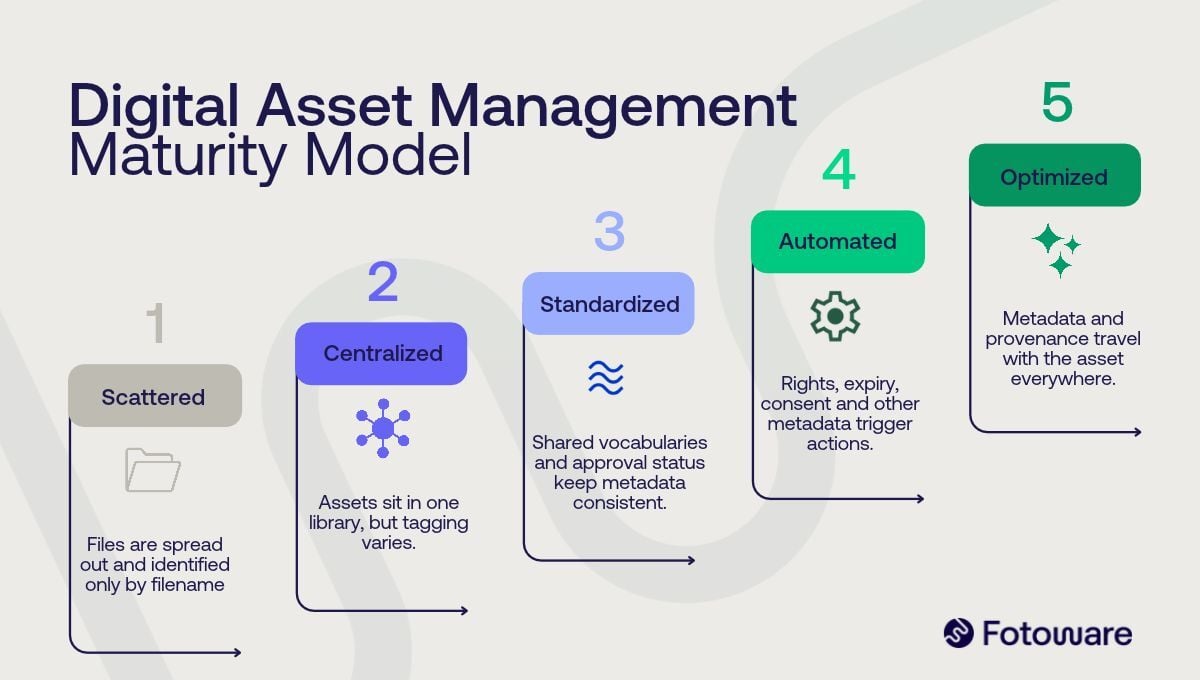
Read more: DAM maturity model: the five stages and where your system fits
eBook:
5 essential DAM workflows
Why do enterprises need a content operations platform?
Enterprises need a content operations platform because content volume, channels, and compliance requirements have outgrown manual coordination. In today's marketing landscape, we know a massive amount of content is being consumed digitally. To stand out, marketers must ensure their content finds its way to relevant people at the right time and in the right channel.
This requires content operations strategies that keep up with evolving trends in social media, blog posts, and beyond. It also means using data to decide what gets published where, and to whom. For this to be possible, the marketing and communication departments must invest in systems that gather and manage data, organize digital assets, and facilitate content creation and distribution across multiple channels and devices. That includes enabling team members to collaborate effectively and keeping the workflow smooth from ideation to execution.
The numbers back this up. Mordor Intelligence values the global Digital Asset Management market at USD 7.51 billion in 2026, growing at a CAGR of around 14% towards 2031. In the 2026 State of AI in DAM & Content Operations Report from Huddart Consulting, 79% of organizations say they are actively using AI, while only 54% say they are successful with it, and metadata and data quality is ranked the number one barrier. The gap between adoption and success is an operations problem, not a technology problem.
This is not done by investing in a single out-of-the-box software. We believe the better route is to build a scalable ecosystem for your content: a content operations platform. Since a COP is API-based, your team can configure and scale the system to fit their needs and leverage emerging technologies such as artificial intelligence, predictive analytics, and workflow automation.
Read more: 6 challenges all marketing teams face when managing digital assets
How is content operations different from content management?
| Aspect | Content management |
Content operations
|
| Scope | Storing and publishing individual pieces of content | The full system of people, process, and technology behind content |
| Main question | Where does this file live? | How does content get planned, approved, and delivered at scale? |
| Typical tools | CMS and file storage | DAM, CMS, PIM, workflow automation, and analytics connected by APIs |
| Owner | The team that publishes | Marketing, communication, brand, IT, and legal together |
| Success measure | Content is published | Content is findable, governed, reusable, and on brand |
Where does Digital Asset Management fit into content operations?
Digital Asset Management is the foundation of content operations, and its role has changed. DAM is no longer a siloed repository where files are stored and retrieved. It has become an enterprise-wide system of action that orchestrates content at scale, holding the assets, metadata, rights, and versions that everything else in the ecosystem connects to. Very few software providers, if any, can claim to offer best-of-breed tools encompassing every demand of today's content operations platforms.
Redmer Kronemeijer, Data Architect at Kennisplatform CROW, puts it this way:
Therefore, a COP should be API-based and easily integrated with other core systems, such as design software, Master Data Management (MDM), Content Management Systems (CMS), and multi-channel marketing hubs. Fotoware is built API-first for exactly this reason, with integration capabilities and plugins that let the DAM act as the hub rather than another silo.
Three things decide whether that setup holds over time: how work flows across the content lifecycle, connectivity through standards-based integrations, and content trust built directly into the workflow rather than bolted on afterwards.
As emphasized by Gartner in the report Create a Content Operations Ecosystem to Deliver Agile Marketing from 2024, content operations is not understood as one singular type of software but as the aggregation of multiple technologies facilitating scalable and agile content management.
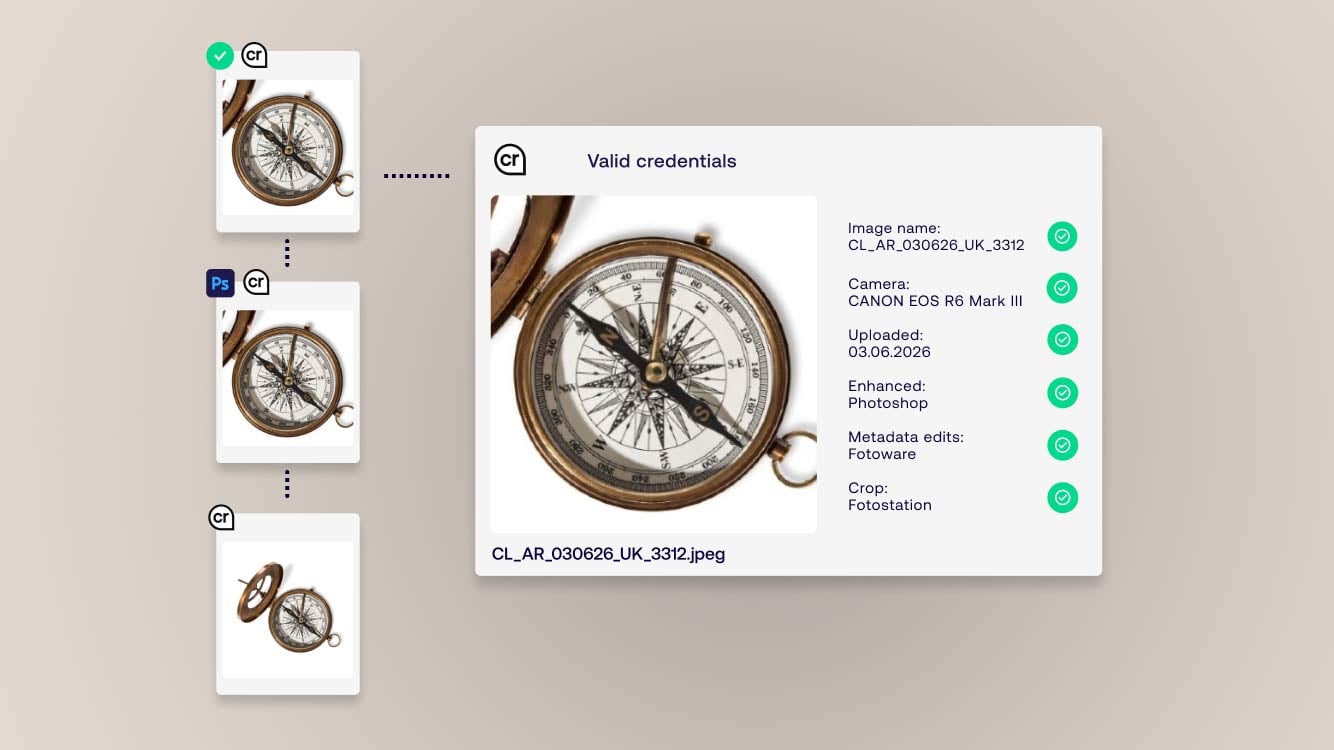
Content trust belongs in the same conversation. When assets move between systems and are edited with the help of AI, provenance, rights, and consent have to travel with the asset. AI can support that work. People own the outcome.
Metadata is the multiplier of AI value. The better structured and more reliable it is, the more every downstream capability can deliver, from findability to enrichment to reuse. AI on poor data is not smarter, only faster. That is why AI raises the bar for content operations maturity rather than lowering it.
That responsibility is shared. As Redmer Kronemeijer at CROW describes it:
Read more: How CROW streamlines content delivery with the Fotoware API
How do you get started with content operations?
Start by mapping how content actually moves through your organization today, from the first brief to the last channel it is published in. Most teams find the same things: assets stored in several places, metadata that only one person understands, and approvals that live in email.
From there, decide which system is the hub and which systems consume from it. Put the assets, the metadata, and the rights in the DAM, connect the tools your team already uses through APIs, and automate the steps that are repeated every week. Content operations improves in increments, not in one big migration.
At the MUNCH Museum in Oslo, that shift replaced hand-maintained Python scripts with configured workflows. Florence Froidevaux, System Architect at the museum, describes the result:
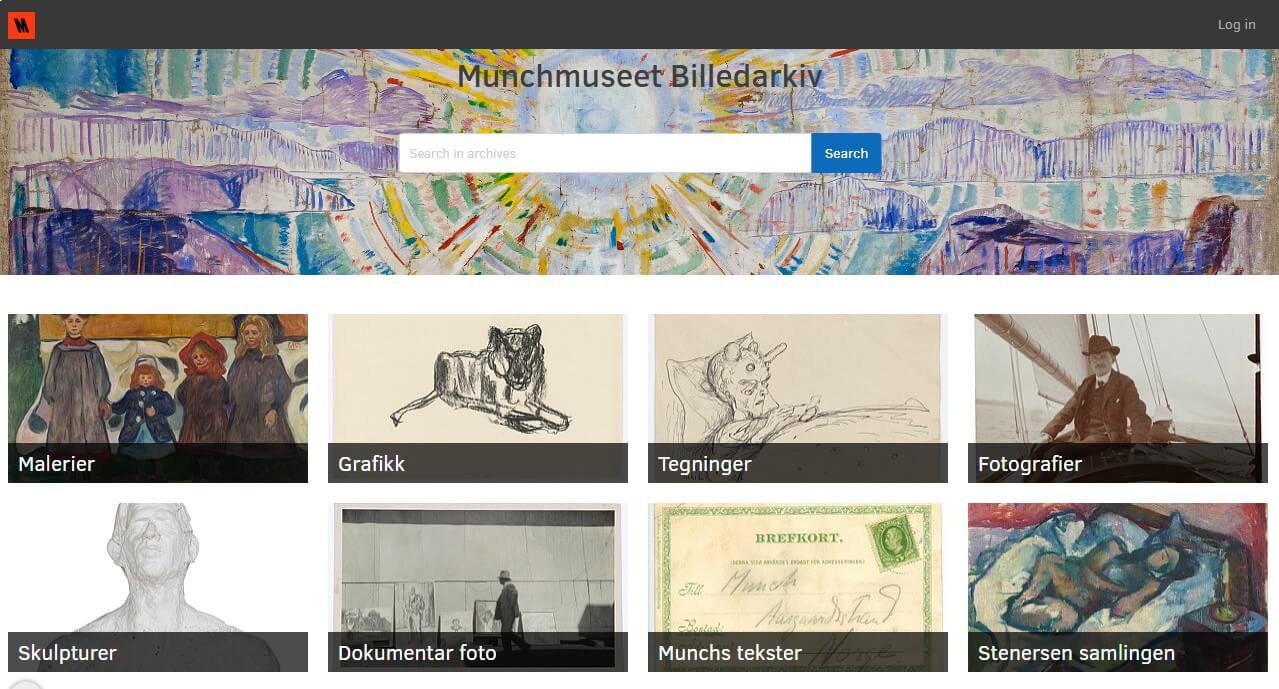
How the MUNCH Museum keeps digital assets, metadata, and systems in sync.
On this page