
From courtrooms to clinics, archives to humanitarian work, some digital assets do more than communicate, they carry legal, ethical, and societal weight. This article explores how Digital Asset Management helps organizations handle that responsibility with greater integrity, control, and trust.
When images are evidence
For police and judicial systems, images and videos are not illustrative. They are evidence. Their integrity, security, and traceability affect investigations, court proceedings, and public trust.
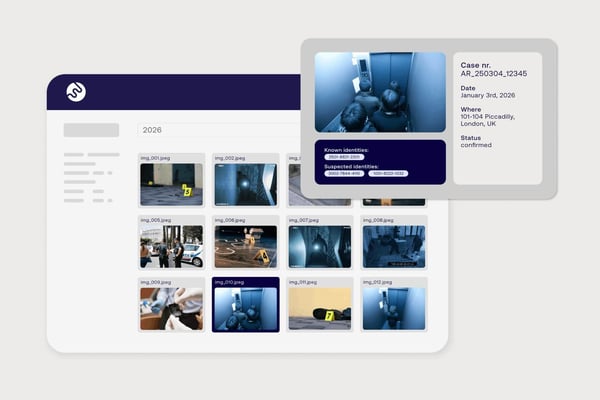
In Germany, an anonymized police force handles thousands of photos and videos every day from crime scenes, body cameras, citizens’ phones, and public uploads. These files move from the street to investigators, to prosecutors, and ultimately to court. Every step introduces risk. Files can be incomplete, manipulated, lost, or mishandled if the chain is unclear.
Here, DAM plays a quiet but decisive role. It provides a controlled environment where evidence is ingested securely, linked to cases, enriched with context, and made available only to those who need access. The result is not better content. It is a better outcome. Investigations move faster. Officers spend less time on manual handling. Courts receive material that is traceable and trustworthy.
The responsibility is implicit. When content is evidence, systems must be designed for integrity, not convenience.
Read more: Digital Evidence Management: DEM system features and benefits >
When images support healthcare
In healthcare, images are part of documentation, diagnosis, research, and care delivery. Accuracy, context, and security all matter, and the consequences of neglecting them can be serious.
Medical photography is a clear example. A large European healthcare association relies on DAM to manage thousands of medical photographs used across clinical workflows and medical knowledge sharing. For that work to support care, the material must remain connected, searchable, and usable over time.
Here, DAM provides the structure these workflows depend on. Images can be ingested securely and according to GDPR standards, and made accessible to the right people at the right time. Privacy and access regulation are central requirements, which makes secure handling and clear governance essential.
In this context, DAM helps protect privacy, support medical care, and make image-based work safer and more reliable.
Download the GDPR Checklist for Images >

When visibility and dignity must coexist
Humanitarian organizations rely on images to document their work, report to donors, and communicate with the public. At the same time, much of this content shows people in vulnerable situations. The risk of misuse is real.
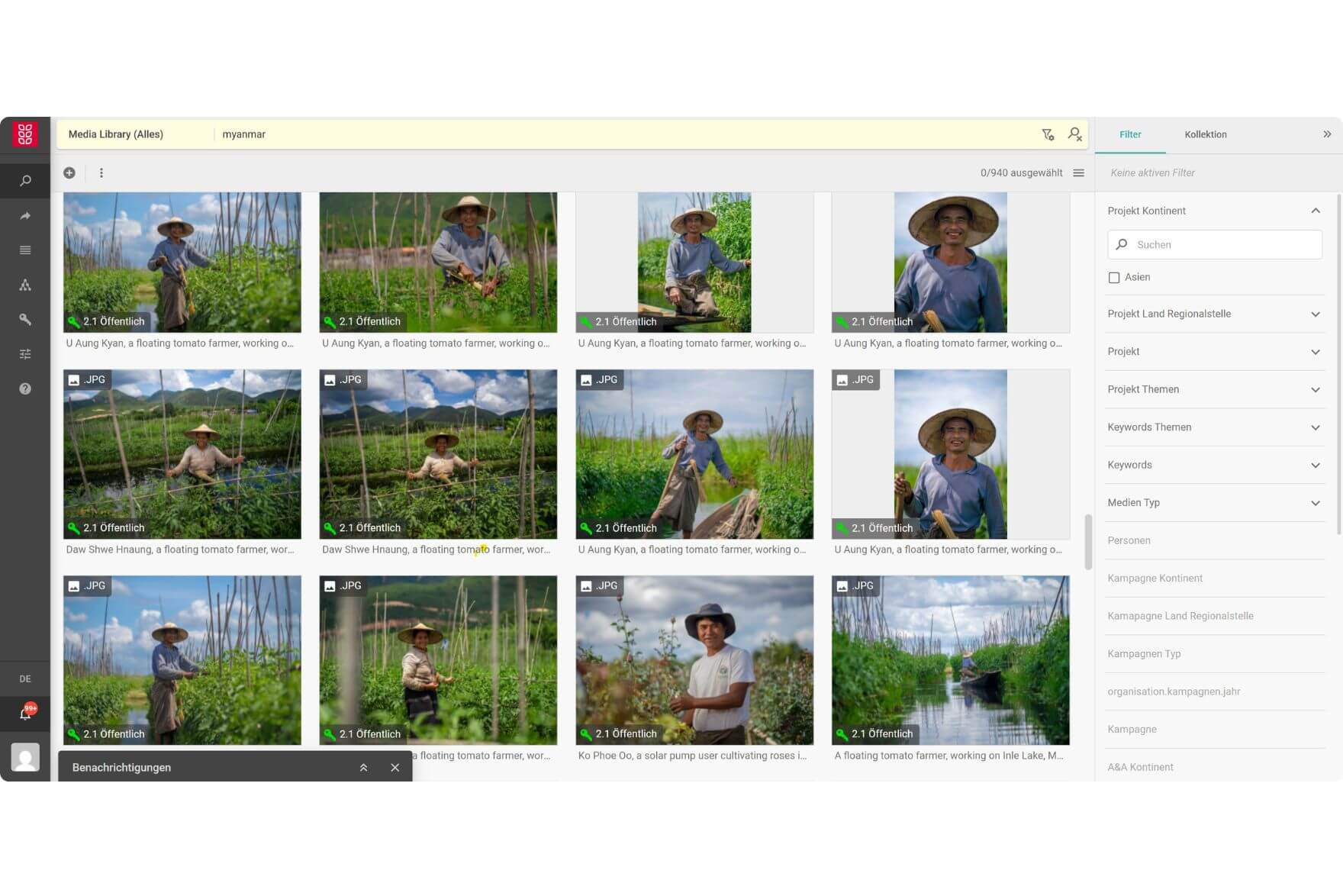
Swiss Church Aid HEKS/EPER works across dozens of countries, managing tens of thousands of photos and videos from humanitarian and development projects. These images matter. They build trust, demonstrate accountability, and bring distant realities closer. They also demand care.
DAM becomes a framework for responsibility. Assets are structured around projects and regions, so context is preserved. Sensitive content can be flagged and access restricted. Granular permissions ensure that images are shared deliberately, not casually.
This approach supports transparency without sacrificing dignity. It allows the organization to communicate clearly while respecting the people represented in its imagery. Trust is not only built with donors, but also maintained with communities on the ground.
In this setting, responsible content management is part of responsible aid.
Read the full story: HEKS/EPER - Responsible content management for global aid projects
When memory must remain accessible
Museums and archives hold content that shapes collective memory. Their task is not only preservation. It is access, education, and remembrance.
The Arolsen Archives safeguard the world’s largest collection of documents related to Nazi persecution. Their mission extends far beyond storage. They work to make these materials accessible to survivors, families, researchers, educators, and the public.
Images play a central role in this mission. They connect historical records to present-day understanding. They support education and public awareness. At the same time, they require careful handling. Rights, provenance, and context matter.
DAM supports clarity and access at the same time. It helps teams organize material consistently, control usage, and respond quickly to media and research requests. More importantly, it helps ensure that history remains usable and visible, rather than locked away.
In this context, DAM underpins the work of remembrance. It supports memory as a shared responsibility.
Read the full story: How the Arolsen Archives use DAM for their communications
When images support education, research, and inclusion
In education and research, access defines value. But access alone is not enough. What is available also shapes what students learn, what professionals recognize, and whose experiences are represented.
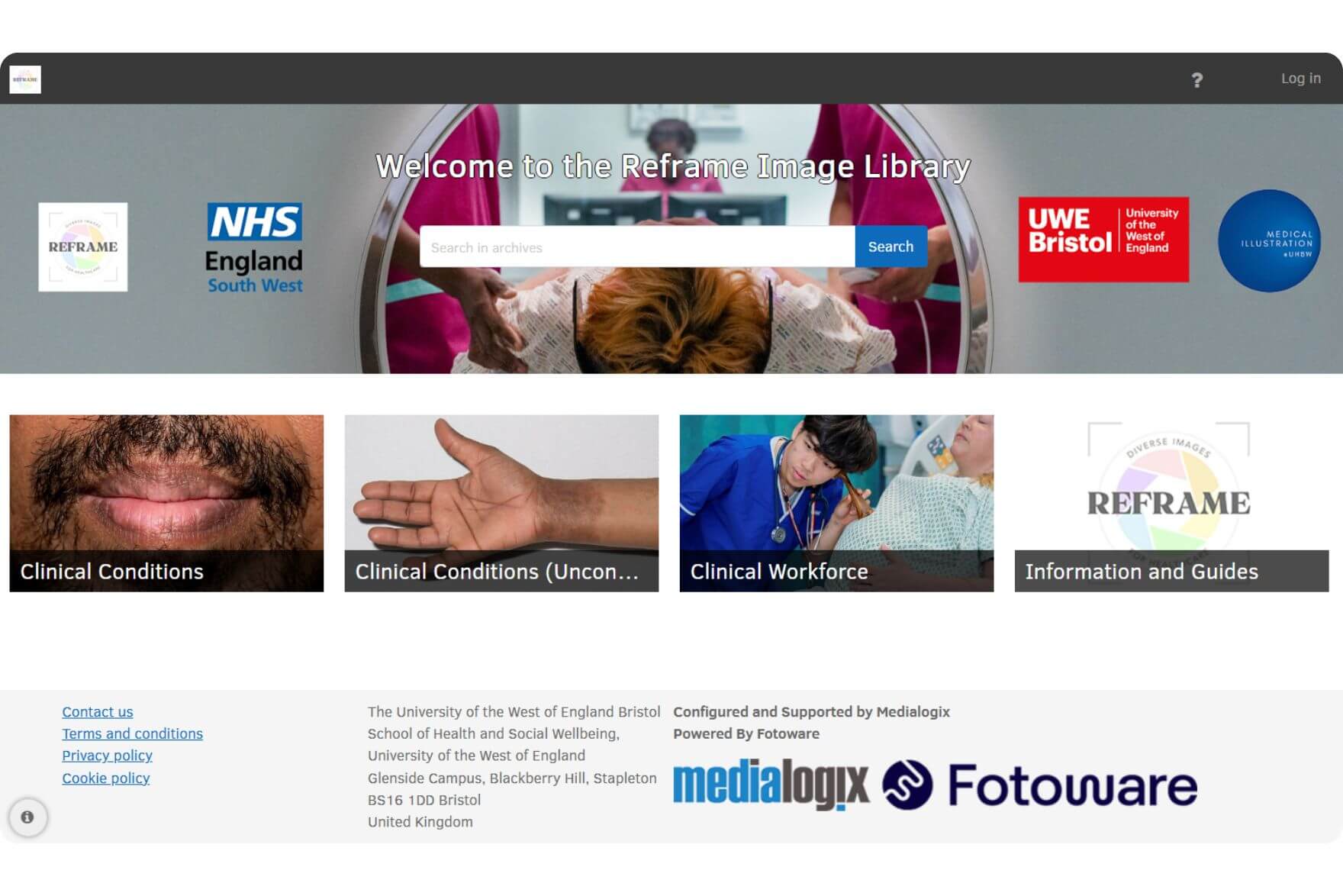
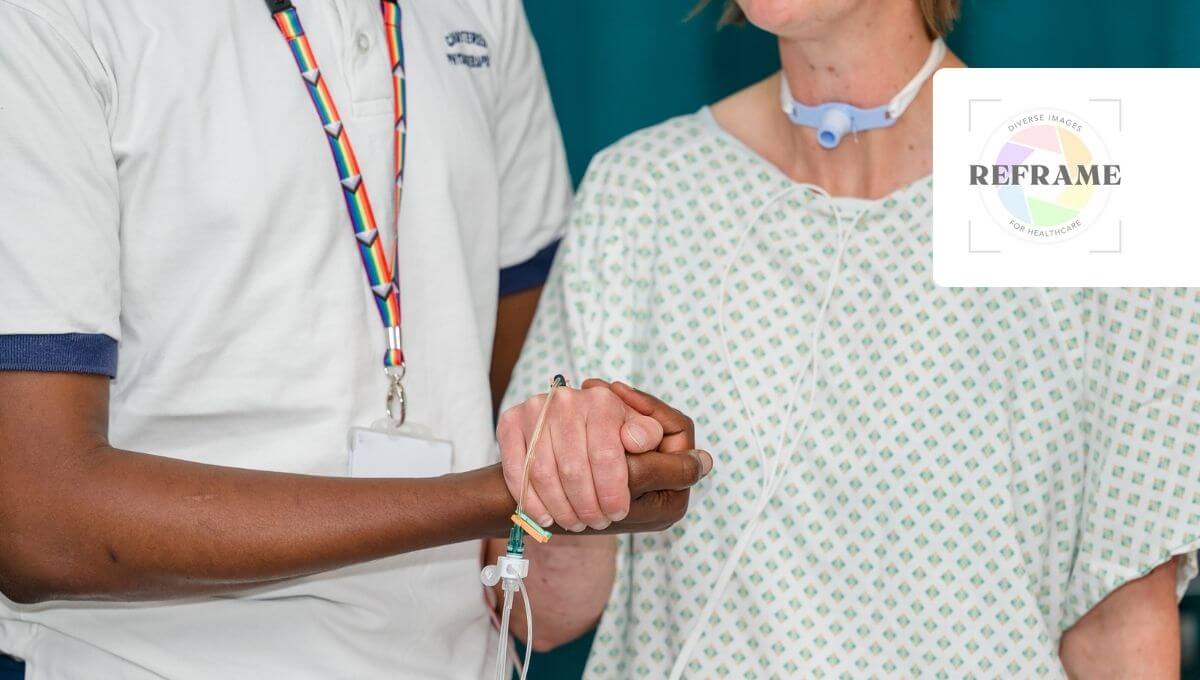
The REFRAME project in the UK shows how DAM can support this work in practice. By building an open-access image library with verified clinical photographs across a wide range of skin tones, the project strengthens the visual resources available to educators, students, and researchers. It addresses a long-standing gap in medical reference material and helps create a more inclusive foundation for learning and study.
DAM supports more than storage here. It enables images to be organized, described, and accessed in ways that preserve quality, context, and usability. That structure makes it easier for knowledge to travel across institutions and disciplines, and it allows inclusive resources to be used consistently rather than remaining scattered or difficult to find.
Here, visual representation is not only knowledge but also translates into better medical care for everyone. Managing images responsibly means making learning and research more accessible, more useful, and more inclusive.
Read the full story: REFRAME - Supporting inclusive healthcare through photography
Watch the webinar: The Reframe Project - How DAM Drives Inclusion and Diversity


On this page