<img src="https://ad.doubleclick.net/ddm/activity/src=10024890;type=invmedia;cat=front0;dc_lat=;dc_rdid=;tag_for_child_directed_treatment=;tfua=;npa=;ord=1?" width="1" height="1" alt=""> How digital evidence systems support modern police investigations

Skip to content

Photo by Bernard Hermant, Unsplash

Digital Evidence Management Fotoware Veloz

How digital evidence management systems support modern police investigations

20. November 2019

Digital evidence now plays a central role in modern policing. Crime scene photos, CCTV footage, video recordings, and forensic imagery must be collected, stored, and shared quickly to support investigations.

nigel-abbot

For many police forces, managing this growing volume of digital evidence requires systems that allow investigators to access and review media efficiently while maintaining strict security and chain of custody.

Fotoware has worked with police forces in the UK for many years through its UK operations, formerly Xenario UK Limited.

Today, more than 80% of the UK's police forces benefit from Fotoware technology to manage investigative media and digital evidence.

We spoke with Nigel Abbott, Managing Director of Xenario UK, to learn more about how digital evidence systems support police investigations.
 

How did Fotoware become involved in the law enforcement industry?

North Wales Police were among the first police forces in the UK to use Fotoware products. They started with Fotostation in 1998 and expanded their use of the system over the following years.

North Wales Police became heavy users of the platform, with more than 15 departments adding images, video, and PDF documents to the system every day. Over time, similar solutions have been implemented in many other forces, often with integrations and enhancements designed to support specific investigative workflows.

Read more: Digital Evidence Management - DEM system features and benefits 

dem-evidence-workflow
 

How does Fotoware Digital Asset Management make a difference in the life of police?

Having 24/7 access to a centralized system allows operational officers to progress investigations without having to wait to see photographs, video, or other media. This can significantly reduce the time required to investigate and conclude cases.

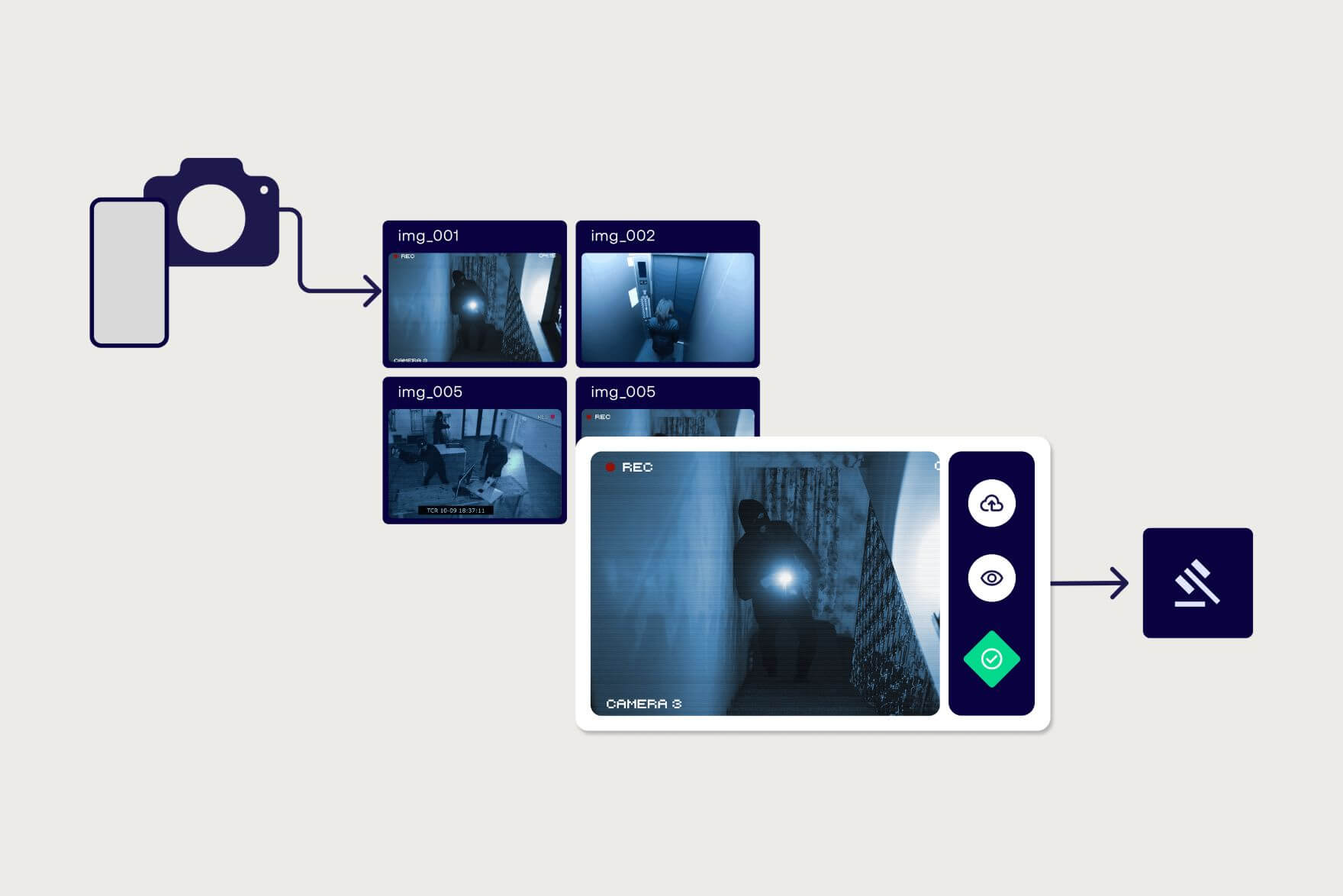
Crime Scene Investigators (CSI) and other specialist units upload media to the system, where it is tagged with metadata from integrations with police systems. This metadata determines which officers and departments can access the evidence.

Officers or investigators can then select relevant images and create evidence albums that can be automatically forwarded to the Crown Prosecution Service (CPS) for use in court.


 
7-challenges-handling-digital-evidence

Learn how police forces address common digital evidence challenges

Explore 7 operational challenges agencies face when collecting, managing, and sharing digital evidence - and how digital evidence management solutions address them.

Policeman by a protest

Photo by Joel De Vriend, Unsplash

What is a unique use case you have seen in Police and Intelligence?

With increased regional collaboration between police forces in the UK, there has been a need for systems that allow multiple forces to work with shared evidence.

In one example, a solution was implemented for four police forces. Two of the forces were already using Fotoware, while the others were not.

Using SAML authentication, the system allowed users on different police networks to connect to the same Fotoware environment while only accessing the images related to their own cases.

Today, more than nine million images are stored in the system. The images are centralized but searchable by each force and viewable through the Forensic Management System.

Read more: How 4 UK police forces centralized their Digital Evidence Management with Fotoware

Another force needed to store CCTV clips extracted by officers via Siraview directly in their Fotoware system instead of on discs. A form was developed within Siraview that allows officers to save the clips directly to Fotoware, making the evidence available to investigators within minutes.


How can technology support crime investigations?

Technology can assist investigators by providing more efficient ways to access and review evidence.

Integration through APIs makes it possible to update case data and connect investigative systems with media evidence repositories. This allows investigators to quickly locate the relevant evidence needed to support prosecutions.

Technology therefore becomes another important tool in the investigator’s toolkit.

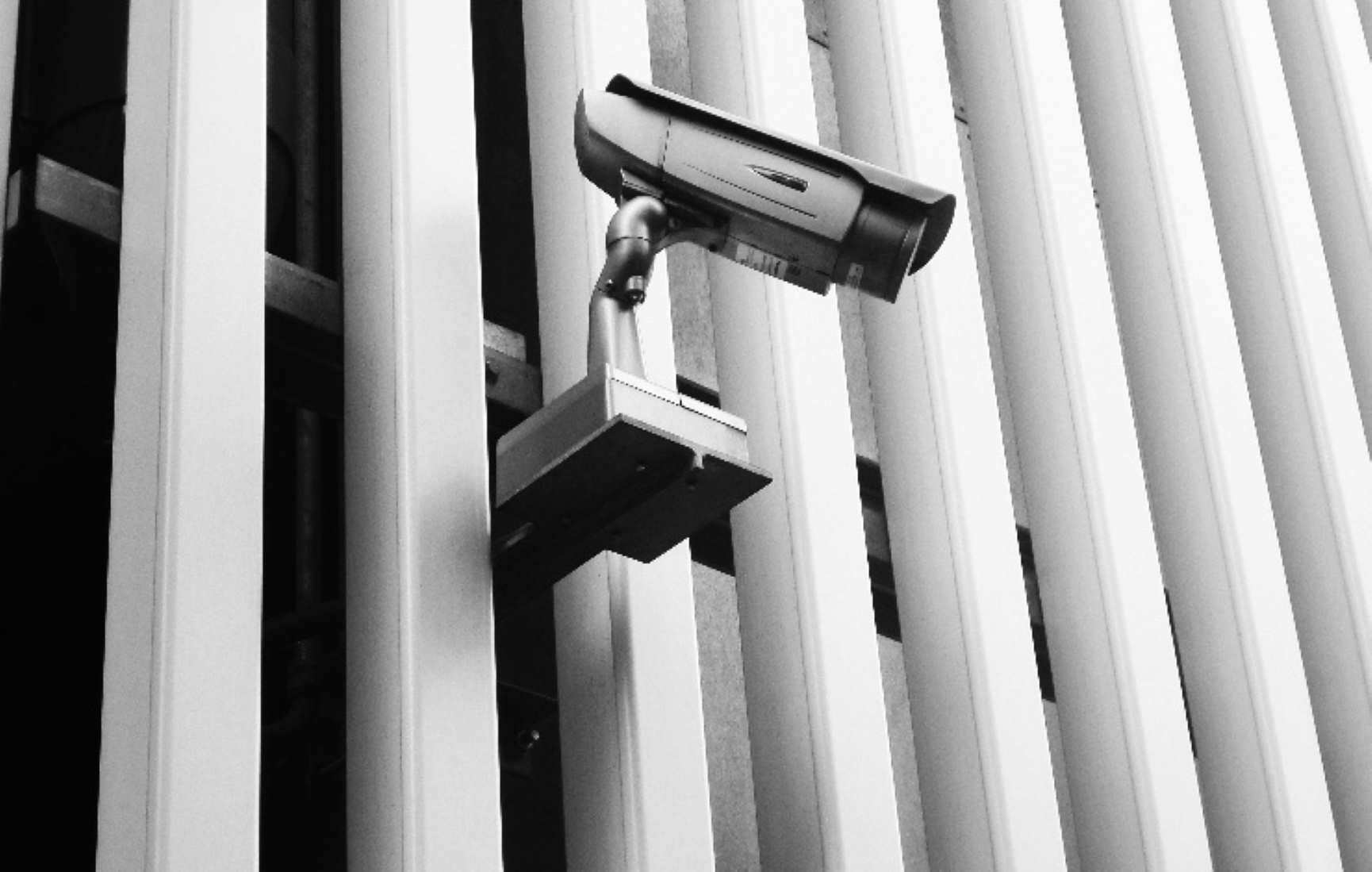
Surveillance camera

Photo by Franck V., Unsplash

How has the UK Government's Cloud First Policy affected decisions at police forces when buying new software?

Many police forces still store evidence in their own data centres.

However, with the new legislation more forces are expected to evaluate cloud-based solutions.

How do you deal with concerns around security in police departments?

Security remains a key priority for police departments. Using Active Directory integration and SAML, all groups and users are controlled by the IT security teams, as with most of the other systems.

All firewalls, antivirus, and backups are controlled by the IT teams in line with force and National Policy, and MOPI requirements.

Learn more about managing digital evidence

As digital evidence continues to grow in volume and importance, police forces need efficient ways to collect, organize, and share media across investigations.

Our guide explores the most common challenges agencies face when handling digital evidence and how Digital Evidence Management helps address them.


Download the guide: 7 challenges of handling digital evidence

*Xenario UK Limited was acquired by Fotoware on the 1st of May 2021.
Ove Høgås-Evensen - Fotoware

Talk to a Digital Evidence Management expert

Talk to one of our experts to discover how we can streamline your organization's digital evidence workflows.

Related blog posts